Used Car Dealer vs. Private Seller: What’s the Real Difference?
Posted Tuesday, Nov 11, 2025
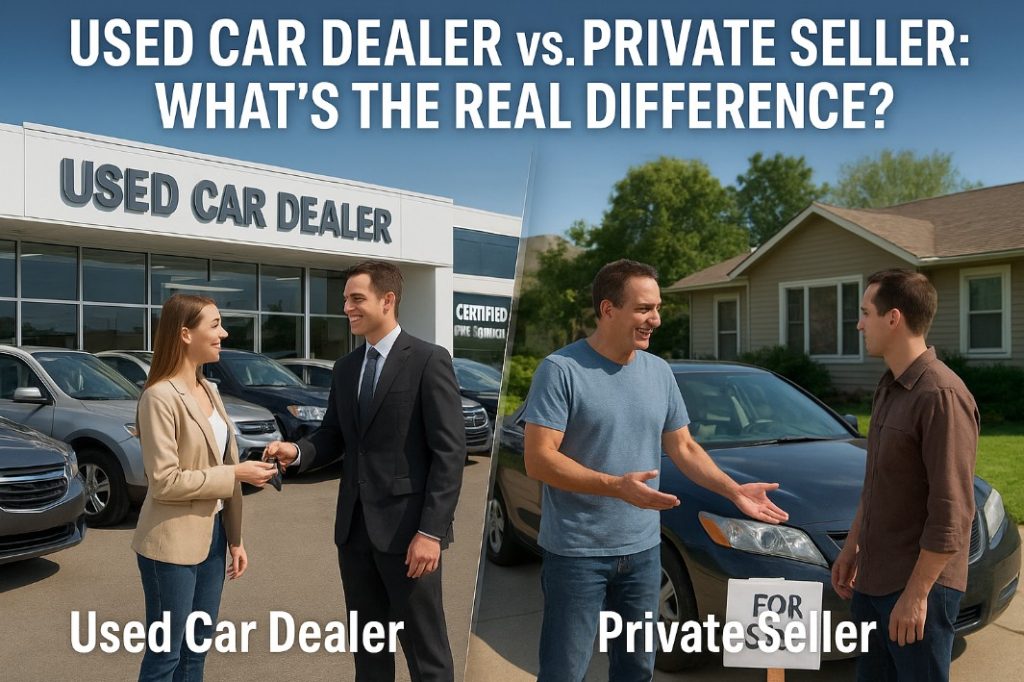
When it comes to purchasing a vehicle, understanding the difference between a used car dealer and a private owner is crucial. This knowledge can guide you in making an informed decision that aligns with your needs and budget. Whether you are looking for a lower price, better financing options, or peace of mind through warranties, knowing the pros and cons of each option can save you time, money, and hassle.
What is a Used Car Dealer?
A used car dealer is a business entity that sells pre-owned vehicles. These dealerships often provide a large selection of used cars, trucks, and SUVs, allowing buyers to compare various makes and models in one location. One of the advantages of buying from a dealership is that they typically offer financing options and warranties that can enhance your buying experience.
Dealerships also invest in inspections and refurbishments of their vehicles, ensuring that the cars they sell are in good condition. This can provide peace of mind to buyers, as they are less likely to encounter hidden issues shortly after their purchase.
What is a Private Owner?
A private owner refers to an individual selling their own vehicle, often through online platforms or local classifieds. Private sellers may offer lower prices compared to dealerships, as they do not have the overhead costs associated with running a business. This can be an attractive option for budget-conscious buyers looking to buy a used car.
However, purchasing a car from a private owner typically means you won't receive the same level of support that a dealership provides. Private sellers typically do not offer warranties, and the responsibility for vehicle inspections falls on the buyer.
What are the Pros and Cons of Buying from a Dealer?
When considering buying from a dealer, it’s essential to weigh both the advantages and disadvantages:
- Pros: Warranties, financing options, extensive vehicle selections, and professional inspections.
- Cons: Higher prices compared to private sales and potential for aggressive sales tactics.
Dealerships often have a reputation for providing reliable vehicles, but this may come at a premium. It’s important to shop around and compare offers from different used car dealerships to ensure you are getting the best deal.
What are the Pros and Cons of Buying from a Private Seller?
Buying from a private seller also has its set of pros and cons:
- Pros: Lower prices, direct negotiation, and potential for a more personal buying experience.
- Cons: Lack of warranties, no financing options, and the risk of purchasing a vehicle with hidden issues.
Private sales can be a great way to save money, but it is vital to conduct thorough research and consider getting a vehicle history report to uncover any past issues.
How Does the Negotiation Process Differ?
Negotiation styles can vary significantly between dealerships and private sales. When buying from a dealership, the prices are often set, though there may be room for negotiation on trade-ins or financing terms. Dealers and private sellers often have different negotiation tactics, with private sellers usually more flexible in terms of price.
However, when negotiating with a private owner, it's essential to be respectful and informed. Understanding the vehicle's market value can help you make a fair offer that is also appealing to the seller.
What Should You Look for in Vehicle Inspection?
Whether buying from a dealership or a private seller, a thorough vehicle inspection is crucial. When purchasing from a used car dealership, inspections are typically performed before the car is listed for sale, ensuring that any major issues are addressed.
In contrast, purchasing from a private owner requires the buyer to take the initiative in arranging an inspection. It’s advisable to hire a trusted mechanic to evaluate the vehicle and report on its condition, which can help you avoid costly repairs down the road.
What is a Vehicle History Report?
A vehicle history report provides important information about a car's past, including accidents, title status, and service records. This report is essential when buying from a private seller, as it can reveal hidden issues that may not be disclosed by the owner.
Dealerships often provide a vehicle history report as part of their service, ensuring that buyers have access to this crucial information. When buying from a private owner, always request this report to make an informed decision.
How Do Financing Options Differ?
Financing is another critical aspect where dealerships and private sellers differ. Used car dealerships often offer various financing options, making it easier for buyers to find a payment plan that suits their budget. This can include special promotions, low-interest rates, and longer loan terms.
Conversely, private sellers typically expect cash transactions or may allow for direct bank financing, which can complicate the buying process. Buyers should be prepared to secure their financing in advance when purchasing from a private owner.
Which Option Offers More Peace of Mind?
Peace of mind is often a significant factor when deciding between buying from a dealer and a private seller. Used car dealerships generally provide warranties and guarantees, which can help protect buyers against unexpected issues after the purchase.
On the other hand, private sellers usually do not offer warranties, which can leave buyers vulnerable to unexpected repairs. However, if you do your homework and ensure the vehicle is in good condition, buying from a private owner can still be a viable option.
How Do You Make an Informed Choice?
Making an informed choice involves researching both options thoroughly. Start by determining your budget, considering financing options, and assessing your comfort level with potential risks. Evaluate the advantages and disadvantages of each route and decide what is most important to you in your next car purchase.
Additionally, take the time to visit various used car dealerships and compare prices and offerings with private sellers. This will help you gauge the overall used car market and make the best choice for your next vehicle.
What Are the Key Takeaways?
- Understand the differences between buying from a used car dealer and a private owner.
- Consider the pros and cons of each option to determine which is best for you.
- Conduct thorough inspections and request vehicle history reports.
- Explore financing options available through dealerships.
- Prioritize peace of mind, especially when purchasing from a private seller.
In conclusion, understanding the difference between a used car dealer and a private owner is essential for making the right choice for your next car. Whether you decide to buy from a dealership or a private seller, remember to do your due diligence. If you're in San Diego, CA, and looking for a reputable used car dealer, consider visiting XLNC Exotic Cars for a range of quality used vehicles and a professional buying experience.