The Real Cost of New vs. Used Cars – Calculate Before You Buy
Posted Tuesday, Feb 17, 2026
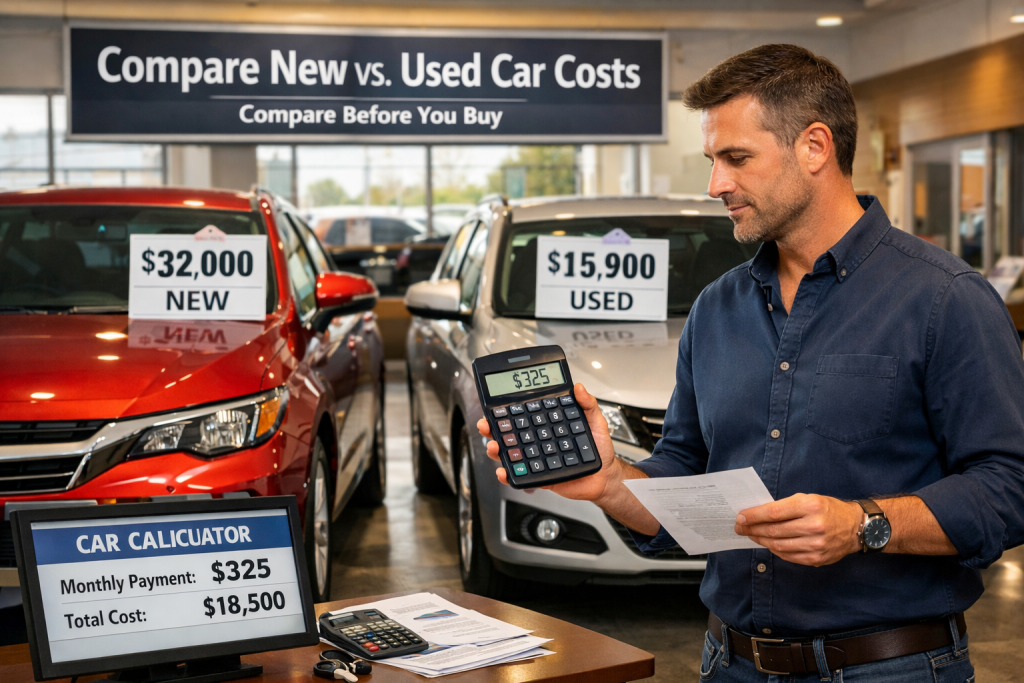
Choosing between a used car and a new car is one of the most important financial decisions for car buyers. Understanding car price, depreciation, maintenance costs, insurance rates, and loan interest rates will help you decide whether to buy a new or used vehicle. This guide breaks down the economics of new versus used cars, offers practical calculators and checklists, and helps you compare the costs to find the right car you can afford.
Should I buy a new car or a used car?
When deciding on a new or used car, start by comparing purchase price and depreciation. A new car typically has higher new car prices and will experience the biggest drop in value in the first few years — a drop in value that affects resale value and monthly payment. A used vehicle often offers a lower purchase price and slower depreciation, which can translate to lower overall car costs if you plan to keep the car for several years.
Think about how you plan to finance the purchase. Financing a new vehicle often comes with promotional deals or low loan interest rates from automakers, while used car loans may have higher interest rates from banks or credit unions. Use a used car calculator or car loan calculator to model monthly payment scenarios for both new and used cars to compare the true monthly cost.
How much more does a new car cost compared to a used car?
Comparing new car vs used car costs starts with sticker price and purchase price. New car prices have steadily risen, meaning the cost of a new car may be significantly higher than the average used car price. The gap includes the initial premium, higher registration fees, and potentially higher car insurance rates for newer models. Using a car price calculator to estimate total cost over ownership, including depreciation and interest, helps quantify the difference.
Beyond the sticker, account for average annual costs such as maintenance costs, fuel economy, and warranties. While new cars might have lower maintenance in the first years and may include warranties or certified pre-owned (CPO) options, the initial higher cost of buying a new car often outweighs these savings unless you value the newest features or plan to trade frequently.
What role does depreciation play in new versus used car decisions?
Depreciation is one of the largest factors when comparing the cost of new and used vehicles. New cars lose value rapidly in the first 2–3 years; that drop in value is often the single biggest cost of owning a new car. Used car prices have already absorbed those early depreciation losses, which is why buying a used vehicle can reduce the total cost of ownership when compared to purchasing brand-new.
To evaluate depreciation, use tools like Kelley Blue Book and used car calculator tools to estimate resale value and projected depreciation by year and mileage. Calculating expected resale value helps you estimate the car’s long-term value and decide whether buying new or used will give you better financial results when you sell or trade in the next car.
How do interest rates and financing affect the decision to buy new versus used?
Loan interest rates and financing terms strongly influence the car you can afford. Manufacturers often offer promotional low-interest financing or zero-percent deals for buyers of new cars, which can substantially lower the monthly payment and the total cost of financing. In contrast, loan interest rates for used cars are usually higher, though credit unions and banks sometimes offer competitive used car loans.
Use a car loan calculator to compare monthly payment scenarios for new and used offers. Factor in loan term differences: longer loan terms can reduce the monthly payment but increase the overall interest paid. Compare rates for new and used vehicles, check credit union offers, and weigh whether a lower purchase price on a used car offsets higher loan interest rates and shorter warranties.
What are the maintenance costs for new and used vehicles?
Maintenance costs vary between a new car and a used car. Newer cars often have fewer immediate maintenance needs and can include free scheduled maintenance or manufacturer warranties that reduce repair expenses. For used vehicles, especially non-CPO used cars, maintenance costs can be higher depending on age, mileage, and service history, adding to the lifetime cost of ownership.
Estimate the average annual cost of maintenance and repairs when comparing new and used. Create a checklist for shopping for a used car: obtain service records, have a pre-purchase inspection, and factor potential upcoming expenses like tires, brakes, or timing belt/chain replacement into your used car calculator to forecast realistic ongoing costs.
How does car insurance influence new vs used car choice?
Car insurance rates often differ between new and used vehicles. New cars usually cost more to insure because their replacement value is higher, and repair costs can be greater due to advanced safety and technology features. Buying a used vehicle can reduce insurance premiums, though rates depend on make, model, age, safety features, and driver profile.
When comparing insurance, request quotes for both new and used vehicle options. Consider factors like gap insurance for a new car purchase to cover depreciation during the loan term, and how used car insurance might change your monthly payment. Lower insurance rates for a used car can be part of a larger strategy to reduce total car costs.
Can a used car calculator help me decide what car I can afford?
A used car calculator or general car calculator can be invaluable when deciding whether to buy a new or used vehicle. These calculators combine purchase price, trade-in value, loan interest rates, term length, estimated depreciation, taxes, fees, and regular car costs to estimate the monthly payment and total cost of ownership. A robust used car calculator to help compare scenarios makes the pros and cons of buying a used car versus a new one more concrete.
Use the calculator to test different inputs: reduce purchase price, increase down payment, or adjust loan interest rates. This helps you see how each variable affects monthly payment and long-term cost, allowing car buyers to set a realistic budget and focus on the car they can afford without stretching finances.
How do certified pre-owned (CPO) cars change the new vs used comparison?
Certified used or CPO cars occupy the middle ground between new and non-CPO used cars. CPO programs typically offer a thorough inspection, extended warranties, and sometimes special financing rates, making them an attractive option for buyers torn between new and used. CPO cars reduce some risks associated with buying a used vehicle while usually costing less than a comparable new vehicle.
Compare CPO cars with new models using a used car calculator and Kelley Blue Book value comparisons. Factor in the extended warranty, vehicle history, and potential deal on a new car in promotional periods. CPO cars can deliver substantial cost savings while minimizing the cons of buying a used car related to unknown condition or forthcoming maintenance costs.
How should I use Kelley Blue Book and other valuation tools in my decision?
Kelley Blue Book value and other car values tools are essential for comparing the cost of a new and used car. Kelley Blue Book helps you estimate private party value, trade-in value, and suggested retail price — data you can plug into a used car calculator to understand true market pricing. These resources help prevent overpaying and set realistic expectations about resale value and car price negotiation.
When shopping for a used car, use these tools to verify seller pricing and to compare the cost of a new car. Look up new car prices for similar trims and options to evaluate whether it makes financial sense to buy new. Combining valuation tools with insurance quotes, loan interest rates, and maintenance estimates will give a clearer picture of true ownership costs.
What are the pros and cons of buying used versus buying new?
Weigh the pros and cons of buying a used car against buying new to match your priorities. Pros of buying a used car include a lower purchase price, slower depreciation, and often lower insurance rates. Cons of buying a used car include potentially higher maintenance costs, limited warranty coverage for non-CPO used cars, and variable car history. For new cars, pros include the latest safety features, full warranty, and lower immediate maintenance; cons include a higher purchase price and steep early depreciation.
Use a checklist for "buy new or buy used" decisions: determine your budget, test drive options, run vehicle history reports for used vehicles, use a used car calculator to project costs, compare financing offers from dealerships and credit unions, and consider resale value when planning your next car purchase.
How can I get the best deal whether I’m buying a new or used car?
Getting a deal on a new car or a used vehicle takes preparation. For new cars, compare dealer incentives, seasonal promotions, and factory financing offers; for used cars, research used car prices, check Kelley Blue Book value, and inspect vehicle history. Negotiation, timing, and comparing multiple dealers or private sellers often yield the best purchase price.
Practical steps include using a price calculator to set a target purchase price, getting pre-approved for a car loan from a credit union or bank to strengthen negotiation power, and considering certified used options if you want warranty protection. Whether shopping for a used car or a new car purchase, having clear numbers and leveraging a used car calculator can help find cost savings and reduce your monthly payment.
How will my next car choice affect long-term finances and resale value?
Your choice between new and used cars impacts long-term finances through resale value, maintenance trajectory, and cumulative interest paid. New cars can offer better reliability and lower maintenance for initial years but suffer faster resale declines. Used vehicles often provide better initial value retention and lower upfront cost, improving total cost of ownership if maintained properly.
When planning for the next car, calculate projected resale value and total ownership cost for both new and used scenarios. Consider how long you plan to keep the vehicle — if you plan to trade in frequently, a new car might make sense with sale promotions; if you aim to keep the car long term, a used vehicle that has already taken its biggest depreciation hit may be the smarter economic choice.
How do I weigh intangible factors like technology, warranty, and peace of mind?
Intangible benefits — newer safety tech, updated infotainment, full factory warranty, and the reassurance of buying new — must be weighed against measurable costs. A new car purchase offers the latest features and often lower maintenance in early years, which might justify the higher cost for some buyers. Conversely, buying a used car can provide a better balance of features for the price and less worry about initial depreciation.
Balance intangible benefits with hard numbers: add warranty benefits and lower early maintenance to a used car calculator or cost comparison. Decide how much value you place on having the newest model versus maximizing cost savings. This helps align your emotional preferences with your financial goals and narrows whether you should buy a new or used vehicle.
Are there negotiation tips and financing tricks for buyers of new and used cars?
Negotiation and financing strategies can significantly reduce car costs. For both new and used, shop with pre-approved financing from a credit union or bank to compare against dealer financing. Use the used car calculator to determine the target monthly payment and purchase price, and don’t be afraid to walk away if the numbers don’t match your calculator results.
Other tips: check for manufacturer rebates and dealer incentives for new car shoppers, inspect maintenance records and get a pre-purchase inspection for used cars, and evaluate certified used options. Know the Kelley Blue Book value and be ready to present comparable listings. Smart negotiation can turn a marginal deal into a strong savings on your next car.
Summary — Key takeaways to compare the cost of buying new vs used
- Depreciation: New cars lose more value initially; used car prices reflect slower depreciation, often lowering total car costs.
- Purchase price vs total cost: A lower purchase price for a used vehicle can offset higher loan interest rates and maintenance costs.
- Financing: Shop rates from credit unions and banks; use a car loan or used car calculator to compare monthly payment and total interest.
- Insurance and maintenance: New cars often cost more to insure; used cars may require higher maintenance—factor both into your calculator.
- Use tools: Kelley Blue Book value and a used car calculator help estimate resale value, purchase price, and realistic monthly payment.
- CPO vs non-CPO: Certified used cars offer warranty perks that narrow the gap between new and used options.
- Negotiation matters: Pre-approval, timing, and comparison shopping reduce car price and can produce the best deal.
- Personal priorities: Consider technology, warranty, and peace of mind alongside hard financial numbers when choosing your next car.
Ultimately, whether you buy a new or used car depends on your budget, how long you plan to keep the vehicle, and the value you place on the latest features versus cost savings. For practical help in San Diego, consider visiting XLNC Exotic Cars, a used car dealer in San Diego, CA, where you can compare used vehicle inventory, evaluate used car vs new car trade-offs, get help to buy a new or used car, check used car prices, and use a price calculator or used car calculator to forecast monthly payment and total car costs. Whether you’re trying to buy a new or used vehicle, weighing the pros and cons of buying used car and purchasing a new car, negotiating financing and car loan interest rates, or simply shopping for a used car to find the next car that fits your budget, informed comparisons will help you make the best purchasing decision.